A Morning City Walk: Five Details That Make Familiar Streets Feel New
A familiar street can become almost invisible when you use it every day. You know where to cross, where the pavement narrows, and how long it takes to reach the next corner. One easy way to make the route interesting again is to walk it in the morning and deliberately notice a few things you normally ignore.
1. Watch where the light lands
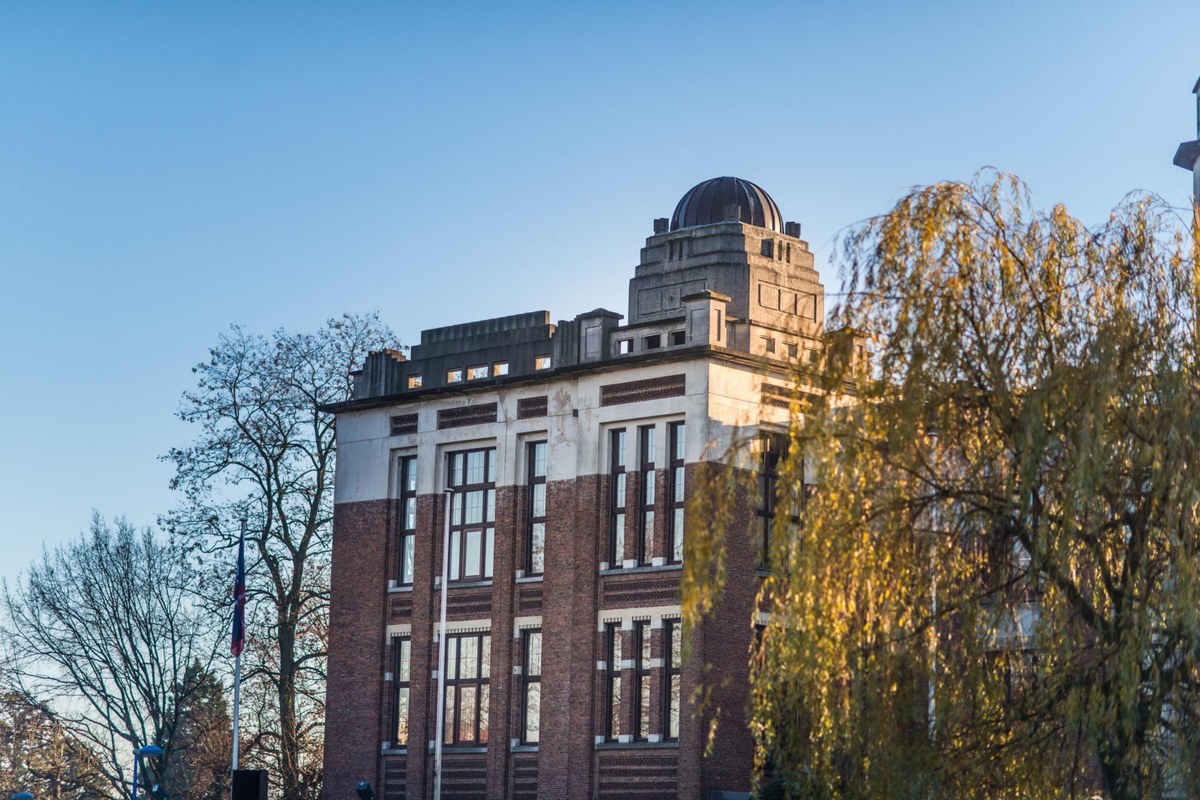
Morning light reaches streets at a different angle from midday or evening light. One side of a block may be bright while the other stays cool and shaded. Glass catches reflections, wet pavement becomes more noticeable, and textured walls can suddenly look three-dimensional. You do not need dramatic sunrise conditions; ordinary low light is enough to change the scene.
2. Look at what is opening
Shops and cafes have a brief in-between stage before they are fully open. Chairs appear outside, shutters lift, deliveries arrive, signs are switched on, and displays are rearranged. These practical routines reveal how much work happens before a street looks ready for the day.
3. Notice the trees as part of the street
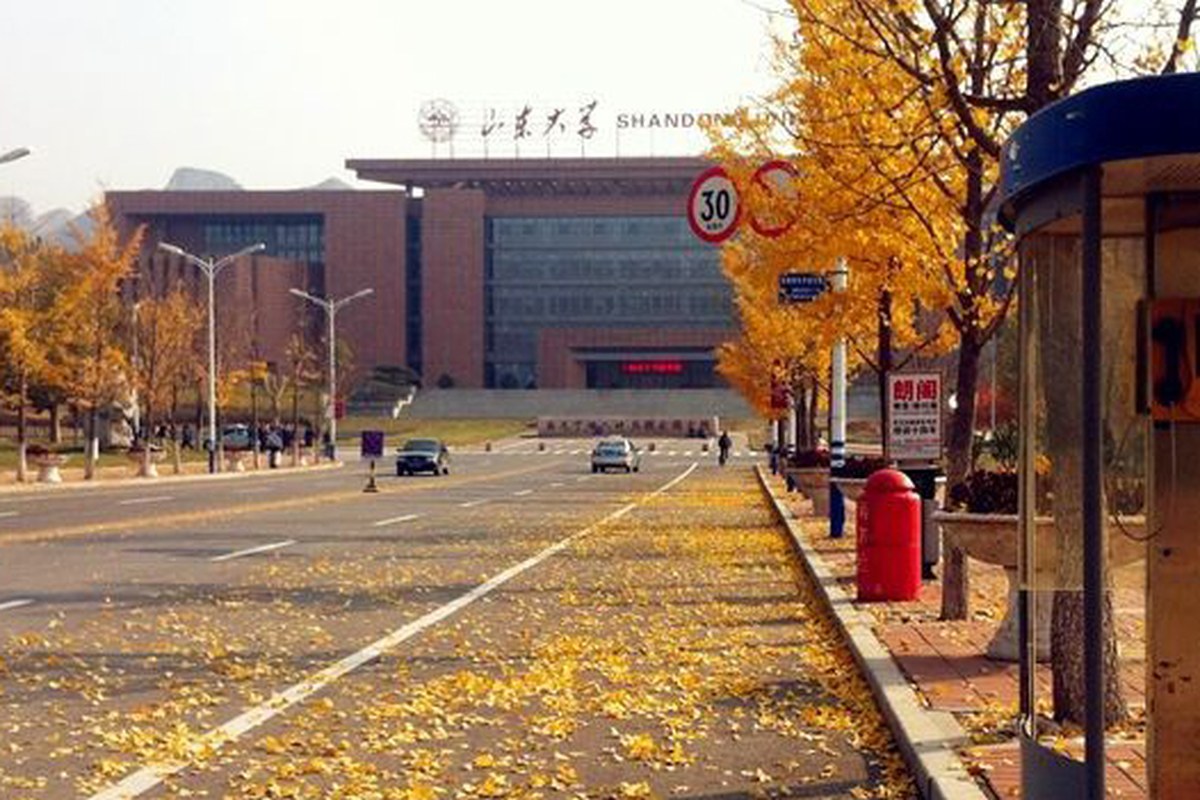
Street trees are easy to treat as background. Look at where they are planted, which buildings they soften, how roots meet paving, and where fallen leaves collect. In different seasons, the same row of trees can change the amount of light, color, and even the apparent width of the street.
4. Listen for layers of sound
Instead of thinking of the city as simply noisy or quiet, separate the sounds. Footsteps, buses, bicycles, doors, birds, construction, conversations, and dishes from a cafe all occupy different distances. Listening this way makes the street feel more spatial and helps you notice places that are calmer than they first seem.
5. Look for traces rather than events
Not everything interesting needs to be happening in front of you. A wet patch where a pavement has just been cleaned, stacked crates, fresh chalk on a sign, tire marks, folded umbrellas, or yesterday’s leaves can suggest what happened minutes or hours earlier.
Keep the walk ordinary
You do not need a special route or a destination worth photographing. In fact, a familiar street is useful because you already know its basic shape. That frees your attention to focus on changes. If you repeat the same walk in another month, you may be surprised by how much of the scene has shifted.
The point is not to force mindfulness into another task. It is simply to give an ordinary route a little more texture and to make the place around you visible again.